Primary school sports play a crucial role in shaping young minds and bodies. They not only foster physical fitness but also instill essential life skills like teamwork, discipline, and perseverance. As children engage in various sports, they learn to navigate challenges and celebrate victories, laying the groundwork for future success both on and off the field.
In an age where screen time often overshadows outdoor activities, encouraging participation in sports is more important than ever. Primary school sports programs provide a structured environment where kids can explore their interests, develop their talents, and build lasting friendships. By prioritizing these activities, schools contribute to the holistic development of children, ensuring they grow into well-rounded individuals ready to tackle life’s hurdles.
Overview of Primary School Sports
Primary school sports encompass a variety of physical activities designed for children aged 5 to 11 years. These programs include team sports such as soccer, basketball, and volleyball, as well as individual activities like running, swimming, and gymnastics. Engagement in these sports promotes not only physical fitness but also cognitive development and social skills.
Participation in primary school sports helps children develop teamwork abilities, encouraging cooperation and communication among peers. Coaches and teachers guide students, fostering an environment where children learn to support one another and understand the importance of collective effort.
Discipline emerges as another key benefit of sports in primary education. Regular practice and training instill a sense of responsibility, as students must balance academic commitments with their athletic endeavors. Additionally, sports provide a platform for children to experience both victories and defeats, teaching them resilience and perseverance.
Structured sports programs offer a direct alternative to screen time, promoting active lifestyles. Schools often implement after-school activities and physical education classes, ensuring consistent opportunities for participation. These programs also enable children to explore various sports, helping them discover their interests and talents while forming lasting friendships.
Incorporating competition into primary school sports enhances motivation and personal growth. Friendly rivalries encourage children to push their limits and strive for improvement. Through tournaments and sports days, students gain valuable experiences that contribute to their overall confidence and self-esteem.
Investing in primary school sports not only enhances physical health but also lays the foundation for lifelong habits. Schools that prioritize sports pave the way for emotional well-being and social adaptability, preparing students for future challenges in academics and beyond.
Benefits of Primary School Sports
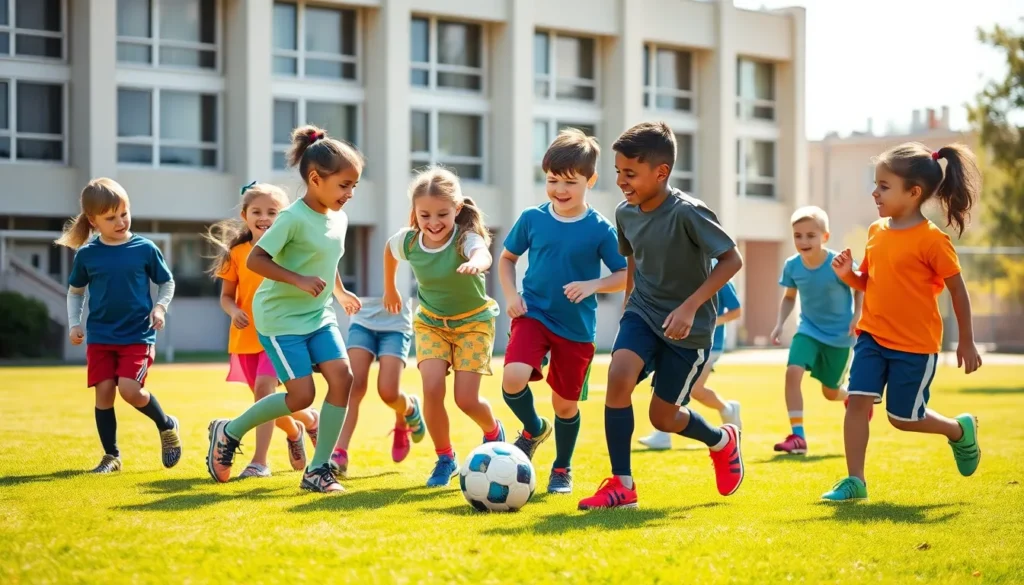
Primary school sports provide numerous advantages that contribute to children’s overall growth. These benefits span physical health, social skills, and emotional well-being, emphasizing the importance of active participation in sports.
Physical Health
Physical health benefits significantly from participation in primary school sports. Regular exercise reduces the risk of obesity, heart disease, and diabetes. Engaging in sports improves cardiovascular fitness and strengthens muscles and bones, instilling healthy habits at an early age. According to the Centers for Disease Control and Prevention (CDC), children should participate in at least 60 minutes of physical activity daily to promote health. Sports programs help fulfill this requirement, promoting lifelong fitness habits.
Social Skills Development
Social skills develop through team interactions during sports participation. Children learn teamwork, cooperation, and communication, essential for successful relationships. They also experience how to navigate conflict and build friendships through shared goals. Participation in diverse teams enhances empathy, enabling children to understand different perspectives and foster an inclusive environment. Engaging in sports allows children to interact with peers from various backgrounds, honing important social competencies.
Emotional Well-Being
Emotional well-being improves as children participate in sports, building resilience and self-esteem. Experiencing both victories and losses teaches valuable lessons about perseverance and coping with disappointment. Regular sports participation fosters a sense of belonging and community, which contributes positively to mental health. Relationships formed during sports activities offer support systems, helping children manage stress and anxiety while promoting positive emotions. Structured sports environments encourage children to express themselves and develop a positive self-image, crucial for their personal growth.
Popular Sports in Primary Schools
Primary schools often feature a mix of team and individual sports, offering children opportunities to engage in physical activity, develop skills, and socialize. This section explores the most popular sports played in these settings.
Team Sports
Team sports play a vital role in primary schools, promoting collaboration and communication among students. Common team sports include:
- Soccer: Soccer engages children in cardiovascular activity while teaching teamwork and strategic thinking.
- Basketball: Basketball enhances hand-eye coordination and encourages cooperation, as players work together to score points.
- Baseball: Baseball develops communication skills and teamwork, requiring players to strategize during gameplay.
- Volleyball: Volleyball fosters quick decision-making and physical agility while promoting a sense of camaraderie among players.
Participating in team sports allows children to experience collective goals, build friendships, and learn conflict resolution skills.
Individual Sports
Individual sports offer unique benefits by emphasizing personal achievement and self-discipline. Common individual sports include:
- Running: Running develops endurance and promotes cardiovascular health, encouraging personal goal-setting through races and timed activities.
- Swimming: Swimming enhances physical fitness and introduces important water safety skills, while providing a low-impact exercise option.
- Gymnastics: Gymnastics emphasizes flexibility, strength, and coordination, helping children build confidence through skill progression.
- Tennis: Tennis fosters hand-eye coordination and strategic thinking, allowing for competitive play focused on individual performance.
These sports help students build self-esteem as they track their progress and celebrate personal accomplishments.
The Role of Coaches and Educators
Coaches and educators play a pivotal role in primary school sports, shaping children’s experiences and fostering their development. Their influence extends beyond skill development, impacting teamwork, discipline, and self-esteem.
Importance of Guidance
Guidance from coaches and educators helps children navigate challenges in sports. They provide instruction in techniques and strategies, ensuring participants build essential skills. Coaches also teach life lessons, emphasizing the values of hard work, sportsmanship, and fair play. Support from knowledgeable mentors enhances children’s understanding of sportsmanship, enabling them to respond positively to both winning and losing situations. Regular feedback reinforces their progress and instills a sense of accomplishment, motivating students to set and achieve individual and team goals.
Creating a Positive Environment
Creating a positive environment is critical for fostering a love for sports. Coaches and educators establish inclusive teams that welcome children of all skill levels, promoting a sense of belonging. Encouragement and recognition of individual contributions, regardless of skill, build confidence and a supportive atmosphere. Team-building activities further enhance bonding among peers, sharpening communication skills and strengthening friendships. An emphasis on enjoyment over competition allows children to cultivate resilience and an enduring passion for physical activity while minimizing fear of failure.
Challenges in Primary School Sports
Primary school sports face various challenges that can impact participation and the overall effectiveness of physical programs. Addressing these challenges is crucial for fostering an inclusive and safe environment for all students.
Access and Inclusion
Access and inclusion represent significant challenges in primary school sports. Not every child has equal access to sports programs, which can stem from factors such as socioeconomic status, geographic location, or funding limitations. Schools in low-income areas often struggle to provide adequate sports facilities and equipment, limiting children’s opportunities to participate.
Inclusion also plays a crucial role. Programs must accommodate children with disabilities or varying skill levels to ensure everyone feels welcome. Structuring programs to include adaptive sports and offering specialized training for coaches can enhance participation. Creating a culture that emphasizes diversity and equity in sports participation leads to improved self-esteem and social integration among children.
Safety Concerns
Safety concerns emerge as a primary issue in primary school sports. The risk of injury, especially in contact sports like football or basketball, necessitates stringent safety measures. Adequate training for coaches in injury prevention and first aid ensures a quick response to emergencies. Additionally, the implementation of proper equipment, like helmets or knee pads, minimizes injury risks.
Weather conditions also pose challenges, as extreme temperatures can affect children’s health during practice or games. Schools must establish guidelines for outdoor activities during varying weather conditions. Continuous safety audits and training for coaches contribute to creating a safer sports environment, allowing children to focus on improving their skills and enjoying their experiences.
Primary school sports play a vital role in shaping children’s lives. They not only promote physical health but also foster essential life skills that extend beyond the playing field. By encouraging teamwork discipline and resilience, these programs lay the groundwork for a well-rounded development.
The benefits of engaging in sports during these formative years are profound. Children learn to navigate challenges build friendships and develop a sense of belonging. It’s crucial to ensure that all children have access to these opportunities regardless of their background or ability.
In a world increasingly dominated by screens, prioritizing sports in primary schools can create a healthier happier generation ready to face future challenges. The lasting impact of these experiences will resonate throughout their lives.