Traveling as a family has evolved significantly in recent years. Families are now seeking unique experiences that cater to diverse interests while creating lasting memories. With the rise of remote work and flexible schedules, more families are embracing travel as an opportunity to bond and explore new cultures together.
Today’s family travelers prioritize adventure, connection, and sustainability. They’re drawn to destinations that offer educational experiences, outdoor activities, and eco-friendly accommodations. As families navigate the changing landscape of travel, understanding these trends can help them make informed choices for their next getaway. Whether it’s a road trip to a national park or an international vacation, the focus is on quality time and shared experiences that enrich family life.
Overview Of Family Travel Trends
Family travel trends are evolving, shaped by changing lifestyles and preferences. Families increasingly seek unique experiences that foster connections and create lasting memories. According to a recent study from the Travel Industry Association, 75% of families prioritize travel that enhances education and personal growth.
Notable trends include:
- Adventure Travel: Families favor destinations offering outdoor adventures, like hiking and camping. This preference reflects a growing desire for physical activity and exploration.
- Cultural Experiences: Families engage with local cultures through immersive activities such as cooking classes and historical tours. This trend highlights the importance of shared learning experiences.
- Sustainable Travel: Eco-conscious families select eco-friendly accommodations and activities. Reports show that 65% of travelers consider sustainability when choosing travel options.
- Remote Work-Friendly Destinations: With remote work becoming commonplace, families look for locations that support remote learning and working. Destinations with reliable internet and family-oriented amenities are particularly appealing.
These trends reveal a commitment to adventure, connection, and sustainability, redefining family travel in today’s world.
Emerging Destinations For Families
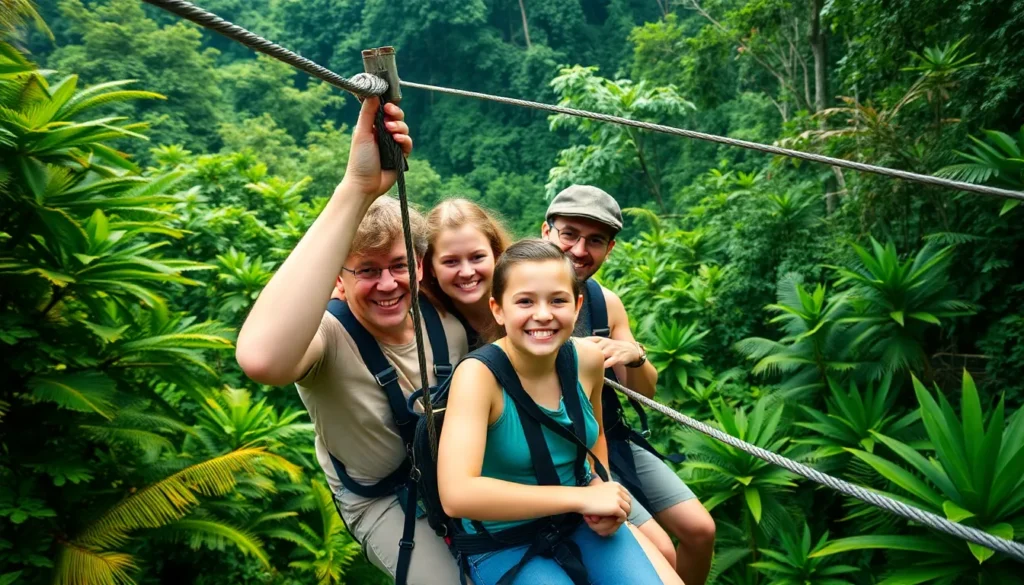
Families now explore diverse destinations that cater to their need for adventure and education. Emerging locations offer unique experiences that foster connection and growth.
Popular Family-Friendly Locations
- Costa Rica
Costa Rica engages families with its rich biodiversity, offering activities like zip-lining, wildlife tours, and beach days. Educational experiences include visits to national parks and sustainable farms.
- Portugal
Portugal attracts families with its historical sites, vibrant culture, and beautiful landscapes. Cities like Lisbon and Porto provide family-friendly attractions, such as interactive museums and culinary tours.
- Japan
Japan presents a blend of tradition and modernity that fascinates families. Attractions range from theme parks in Tokyo to cultural experiences in Kyoto, including tea ceremonies and temple visits.
- Canada
Canada boasts stunning natural beauty, ideal for outdoor enthusiasts. Family-friendly activities include hiking in Banff, exploring Vancouver’s parks, and visiting Niagara Falls.
Hidden Gems For Family Travel
- Slovenia
Slovenia offers breathtaking scenery and activities like cave exploring and visiting picturesque lakes. Families can enjoy affordable accommodations and the chance to learn about local traditions.
- Georgia (the country)
Georgia provides an enriching cultural experience with its local cuisine and hospitable people. Families can explore Tbilisi’s vibrant streets and the stunning landscapes of Kazbegi.
- Uruguay
Uruguay presents family-friendly beaches and charming towns. Families can relax in Punta del Este or learn about history in Colonia del Sacramento, a UNESCO World Heritage site.
- Belize
Belize captures families with its laid-back atmosphere and rich marine life. Snorkeling, visiting Mayan ruins, and exploring rainforests create memorable experiences for all ages.
Family Travel Preferences
Family travel preferences reflect a growing desire for experiences that align with educational and adventure-oriented goals. Increasingly, families prioritize accommodations and transportation options that enhance their travel experience.
Types Of Accommodations
Families favor accommodations that provide comfort, flexibility, and family-friendly amenities. Popular choices include:
- Vacation Rentals: Families often seek vacation rentals for spacious living areas and kitchens, which allow for home-cooked meals. Properties on platforms like Airbnb and Vrbo cater to larger groups.
- Family Resorts: Family resorts offer all-inclusive services with activities for all ages. These resorts, such as Beaches and Club Med, provide childcare and organized excursions.
- Eco-Friendly Lodgings: Eco-conscious families prefer sustainable hotels that minimize environmental impact. Options like hotels promoting green practices or nature-based lodges have seen significant interest.
- Boutique Hotels: Families gravitate towards boutique hotels featuring unique designs and local culture. These accommodations often provide personalized services, enhancing the overall experience.
Modes Of Transportation
When it comes to travel, families assess transportation modes for convenience and cost-effectiveness. Key preferences include:
- Road Trips: Families frequently opt for road trips to explore scenic routes and visit multiple destinations at their own pace. Road-tripping allows for customized itineraries and family bonding time.
- Air Travel: Many families rely on air travel for longer distances, favoring direct flights to minimize travel time. Airlines that offer family boarding and early check-in improve the travel experience.
- Train Travel: Train journeys attract families due to comfort and scenic views. Rail services like Amtrak in the U.S. provide spacious seating and dining options.
- Car Rentals: Renting a vehicle at destinations gives families the freedom to explore local attractions. Companies like Enterprise and Hertz offer family-sized vehicles equipped for comfort.
Families increasingly consider these accommodation types and transportation modes while planning their travel, ensuring a memorable experience that fosters connection and adventure.
Technology’s Impact On Family Travel
Technology significantly influences family travel by enhancing planning, communication, and real-time sharing of experiences. Families use various digital tools to simplify travel logistics and enhance enjoyment.
Travel Apps And Planning Tools
Travel apps facilitate seamless planning for families. Popular apps like TripIt organize itineraries, while Google Maps aids in navigation and discovering local attractions. Booking platforms, such as Airbnb and Booking.com, allow families to find accommodations suited to their needs, offering filters for family-friendly amenities. Collaborative tools like Cozi help families synchronize schedules, ensuring everyone is on the same page regarding activities. With 85% of travelers using mobile devices for trip planning, integrating technology into the travel process has become essential for modern families.
Social Media Influences
Social media shapes family travel decisions by providing inspiration and real-time feedback. Platforms like Instagram and Pinterest showcase family-friendly destinations and activities, guided by user-generated content. Families explore shared experiences and recommendations through blogs and vlogs, influencing their destination choices. Facebook groups and forums also connect families, enabling them to share tips, advice, and personal experiences. Approximately 65% of families report that social media significantly affects their travel planning, highlighting its role in shaping travel trends and preferences.
Sustainable Family Travel Trends
Sustainable family travel is increasingly prioritized among travelers. Families seek to minimize their environmental impact while enjoying memorable experiences and adventures.
Eco-Friendly Destinations
Families choose eco-friendly destinations that emphasize sustainability and conservation. Popular eco-friendly locations include:
| Destination | Features |
|---|---|
| Costa Rica | Rich biodiversity, national parks, eco-lodges |
| Iceland | Geothermal energy, sustainable tourism practices |
| Norway | Fjords, eco-friendly transportation options |
| New Zealand | Conservation efforts, outdoor activities, eco-tours |
| Bhutan | Carbon-negative policies, cultural preservation |
These destinations offer activities that foster environmental awareness, such as wildlife watching, sustainable farming tours, and educational programs.
Responsible Travel Practices
Families adopt responsible travel practices to enhance their sustainability efforts. Key practices include:
- Choosing Eco-Conscious Accommodations: Families opt for hotels and rentals that implement green initiatives, such as energy-efficient systems and waste reduction.
- Supporting Local Economies: Families shop locally, dine at small businesses, and participate in community-based tourism to help sustain the local economy.
- Selecting Low-Impact Transportation: Families use public transit, walk, or cycle, minimizing their carbon footprint while exploring new places.
- Engaging in Conservation Efforts: Families participate in beach cleanups, local reforestation projects, or wildlife conservation initiatives during their travels.
- Educating Children on Sustainability: Families emphasize teaching children about environmental stewardship and the importance of preserving nature for future generations.
These responsible practices enhance the family’s travel experience and contribute positively to the destinations they visit.
Family travel is evolving into a rich tapestry of experiences that prioritize connection and growth. As families embrace adventure and sustainability, they’re redefining what it means to explore together. The emphasis on educational opportunities and eco-friendly practices reflects a deeper commitment to both personal enrichment and environmental stewardship.
With technology facilitating planning and communication, families can navigate their journeys with ease. This new era of travel encourages families to seek out unique destinations that align with their values and interests. By understanding these trends, families can create unforgettable memories while fostering a sense of responsibility towards the planet and its diverse cultures.