Junior athletics plays a crucial role in shaping young athletes’ lives. It not only promotes physical fitness but also instills values like teamwork, discipline, and perseverance. As children engage in various sports, they develop essential skills that extend beyond the track or field, preparing them for future challenges both in sports and life.
With the rise of organized youth sports programs, parents and coaches are increasingly recognizing the importance of fostering a positive environment for young athletes. From track and field to cross country, junior athletics offers a diverse range of opportunities for kids to explore their potential. This article delves into the benefits of junior athletics and highlights how it can inspire the next generation of champions.
Overview Of Junior Athletics
Junior athletics encompasses a range of sports activities designed for young participants, typically aged 6 to 18. These programs aim to foster physical development, promote healthy lifestyles, and cultivate a passion for sports.
Benefits of Participation
- Physical Health: Junior athletics improves cardiovascular fitness and builds strength, flexibility, and endurance. Regular participation helps combat childhood obesity, promoting overall health.
- Skill Development: Athletes learn specific techniques and skills tailored to their selected sports. This training enhances hand-eye coordination, agility, and teamwork.
- Mental Resilience: Engaging in competitions teaches mental toughness. Athletes develop the ability to overcome obstacles, handle pressure, and maintain focus during challenging situations.
- Social Interaction: Junior athletics provides opportunities for socialization. Participants learn to communicate, collaborate, and foster friendships with teammates from diverse backgrounds.
- Leadership Skills: Young athletes experience leadership opportunities within their teams. They learn to encourage peers and take responsibility, building confidence and assertiveness.
Types of Sports
Junior athletics includes a variety of sports, catering to different interests:
- Track and Field: Focuses on running, jumping, and throwing events, emphasizing speed, strength, and agility.
- Soccer: A team sport that develops strategic thinking and teamwork skills while promoting cardiovascular fitness.
- Basketball: Involves coordination, teamwork, and quick decision-making on the court.
- Swimming: Enhances endurance and technique in a competitive environment, focusing on personal bests.
- Gymnastics: Develops strength, flexibility, and balance through structured routines and movements.
Role of Coaches and Parents
Coaches play a crucial role in junior athletics by providing guidance, instruction, and motivation. They create a positive atmosphere that encourages athletes to strive for their best. Parents support young athletes by fostering their interest in sports, emphasizing enjoyment and personal growth over purely competitive outcomes.
Opportunities for Advancement
Junior athletics often serves as a pathway to higher-level competitions, including high school and collegiate athletics. Many athletes may receive scholarships or opportunities to compete at the national or international level. Participation in junior athletics lays a strong foundation for future athletic and academic success.
Conclusion
Junior athletics significantly influences the lives of young participants by promoting a well-rounded development approach, both physically and mentally.
Benefits Of Junior Athletics
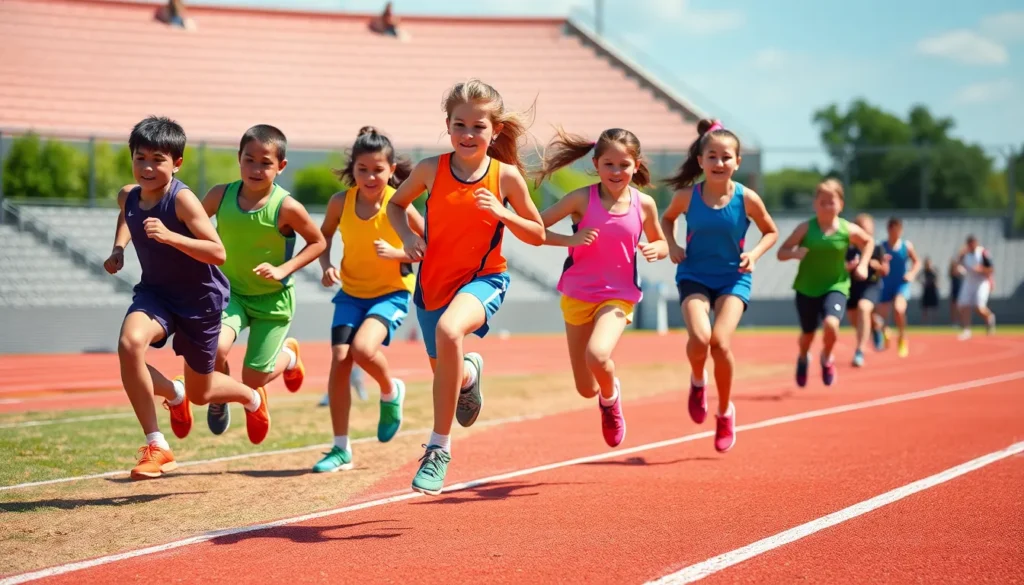
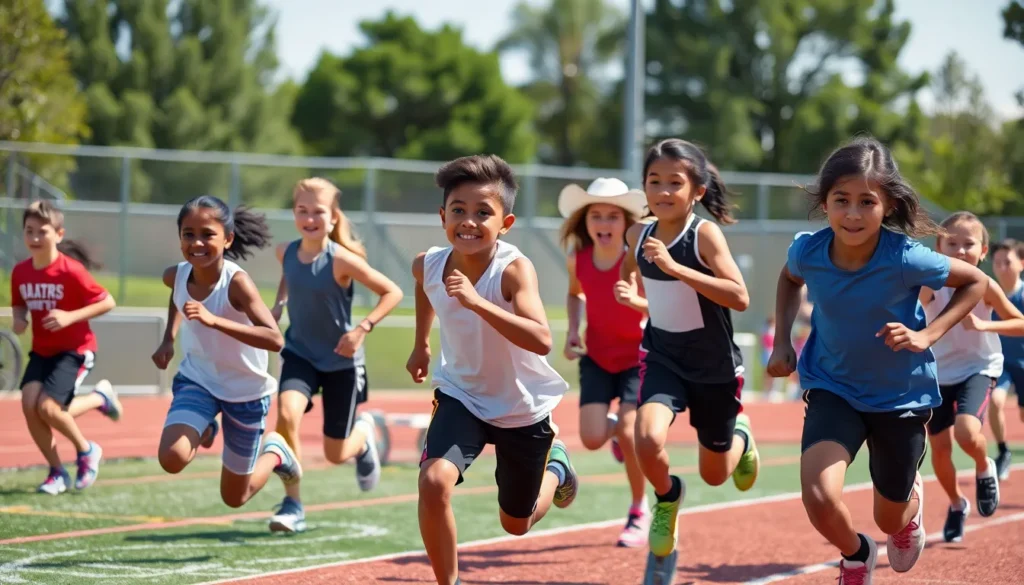
Junior athletics provides a myriad of advantages for young participants, significantly contributing to their overall development in various aspects of life.
Physical Development
Participation in junior athletics enhances physical fitness through structured activities. Engaging in sports leads to increased cardiovascular health, improved strength, and enhanced flexibility. For example, track and field develops endurance and agility, while swimming promotes muscle tone and coordination. Regular physical activity reduces the risk of obesity, diabetes, and other health-related issues among youth. Additionally, developing motor skills through diverse sports activities allows children to gain confidence in their physical abilities.
Mental Growth
Junior athletics fosters mental resilience and promotes cognitive development. Young athletes learn how to set and achieve goals, enhancing their focus and determination. Activities require strategic thinking and quick decision-making, cultivating problem-solving skills. For instance, team sports like soccer encourage collaboration and communication, contributing to social intelligence. Sports participation serves as a constructive outlet for stress, boosting self-esteem and emotional well-being. Moreover, learning to accept both success and failure in sports lays the groundwork for a healthy mindset throughout life.
Common Sports In Junior Athletics
Junior athletics encompasses a range of sports, each contributing to physical and personal development. The most common sports include track and field, team sports, and individual activities.
Track And Field
Track and field consists of various running, jumping, and throwing events. It promotes speed, endurance, agility, and coordination. Common events include sprints, hurdles, relays, long jump, high jump, and shot put. Participants benefit from improved cardiovascular health and physical strength. Track and field also emphasizes goal-setting and personal achievement, helping young athletes track their progress and build self-confidence.
Team Sports
Team sports encompass activities like soccer, basketball, volleyball, and baseball. These sports foster collaboration and communication among participants. Playing team sports enhances physical fitness, allowing for improved coordination and endurance. Additionally, these sports teach valuable lessons in teamwork, sportsmanship, and strategic thinking. Athletes learn to work towards common goals while developing leadership and social skills that are beneficial beyond the field or court.
Coaching And Training Techniques
Coaching and training techniques in junior athletics focus on developing young athletes’ skills while ensuring safety and enjoyment. Effective coaching considers age-appropriateness and emphasized safety.
Age-Appropriate Practices
Age-appropriate practices tailor training methods to match developmental stages. Coaches implement drills and activities designed for specific age groups, enhancing skill acquisition and understanding. For instance, younger participants benefit from fundamental movement skills like running, jumping, and throwing. Older athletes engage in more complex strategies and specialized skills relevant to their sports. Coaches encourage positive reinforcement to build confidence, ensuring a supportive environment that fosters growth. Regular assessments facilitate personalized feedback, allowing adjustments in training programs to maintain engagement and promote improvement over time.
Safety Considerations
Safety considerations are vital in junior athletics to prevent injuries. Coaches establish clear guidelines for proper technique to minimize risks. They introduce warm-up and cool-down routines to prepare the body for activity and aid recovery. Regularly inspecting equipment for safety ensures all participants practice in a secure environment. Additionally, coaches emphasize hydration, nutrition, and rest as essential components for athlete health. Encouraging open communication allows young athletes to express concerns or discomfort, fostering a culture of safety and respect. This proactive approach helps nurture a safe and enjoyable athletic experience, promoting long-term participation.
Community Involvement And Support
Community involvement plays a vital role in the success of junior athletics. Local organizations, schools, and sports clubs actively contribute resources and support, helping create a sustainable environment for young athletes.
1. Local Organizations
Local organizations provide funding, facilities, and equipment. They often sponsor events and offer scholarships, enabling access to sports for all youth, regardless of financial background. These contributions help nurture talent and promote inclusivity.
2. Schools
Schools integrate athletics into their curricula, offering students various programs. Physical education classes encourage participation in sports while after-school programs provide additional training opportunities. Collaborative events foster a sense of school spirit and community.
3. Parental Support
Parents play a substantial role in junior athletics by volunteering as coaches, organizers, and supporters. Their involvement strengthens relationships between families and clubs, fostering teamwork and collaboration. Parents also help instill values such as commitment, respect, and work ethic.
4. Community Events
Community events, such as tournaments and festivals, bring together athletes, families, and supporters. These gatherings create a lively atmosphere that celebrates achievements, reinforcing a sense of belonging. They also promote healthy competition and local traditions.
5. Partnerships with Local Businesses
Partnerships with local businesses enhance junior athletics programs by providing sponsorships and resources. Businesses can donate sports gear, fund events, or offer discounts, thus benefiting both young athletes and the community.
6. Mentorship Programs
Mentorship programs connect experienced athletes with young participants, encouraging growth and development. These relationships provide guidance, motivation, and inspiration, showcasing pathways to success both in sports and personal lives.
Community involvement and support are essential for fostering a vibrant junior athletics program. The collaborative efforts of local organizations, schools, parents, businesses, and mentors create an environment where young athletes thrive, paving the way for future success.