When it comes to athletics training for kids, it’s not just about running fast or jumping high—it’s about building confidence, teamwork, and a love for movement. Imagine your child dashing down the track, arms pumping, with the wind in their hair and a grin that could rival a Cheshire cat. That’s the magic of athletics!
Overview of Athletics Training for Kids
Athletics training for kids focuses on developing various physical competencies crucial for their growth. Running, jumping, and throwing form the foundation of these skills, promoting not just fitness but also motor skills. Participants benefit from structured programs that enhance their strength, speed, and agility.
Building confidence remains one of the primary advantages of athletics training. Children learn to set personal goals and work towards them, fostering a sense of achievement with each milestone. Increased self-esteem often translates into improved performance in other life areas, such as academics and social settings.
Teamwork plays a critical role within athletics. Engaging in team-based sports cultivates collaboration and communication among peers. Kids learn to support one another, sharing success and overcoming challenges together, which creates lasting friendships.
Instilling a love for movement occurs naturally through enjoyable, engaging activities. Coaches often incorporate games that focus on fitness, making the experience fun while developing athletic skills. Positive experiences during training sessions inspire kids to stay active throughout their lives.
Programs designed for young athletes vary in structure and intensity. Many organizations offer tailored training, accommodating different age groups and skill levels. Prioritizing safety ensures that children train in a supportive environment, maximizing the benefits of their involvement in athletics.
Overall, athletics training for kids serves as a vital development tool, enhancing physical abilities and life skills. This comprehensive approach not only lays the groundwork for future athletic endeavors but also encourages healthier lifestyles as children grow.
Benefits of Athletics Training
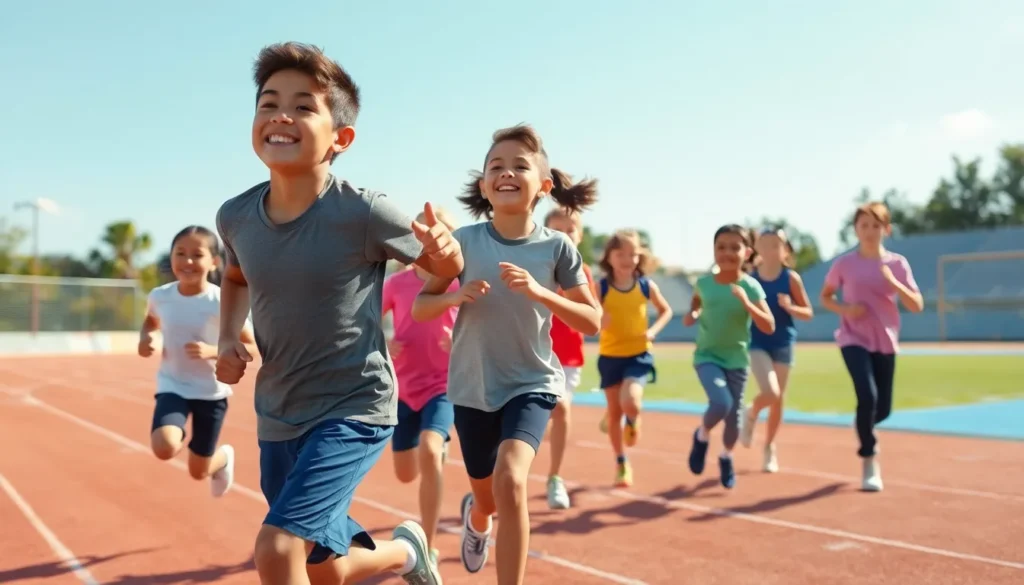
Athletics training offers a wide range of advantages for kids, significantly impacting their physical and mental well-being.
Physical Health Benefits
Strong cardiovascular fitness develops through regular participation in athletics, leading to better overall health. Enhanced muscular strength results from engaging in various sports activities, which supports growth and development. Children improve their balance and coordination as they learn techniques for running, jumping, and throwing. Increased flexibility can also come from warm-up and cool-down exercises incorporated into training sessions. Regular physical activity reduces the risk of obesity and related health issues while promoting healthy habits that last a lifetime.
Mental Health Benefits
Athletics training boosts self-esteem as kids achieve personal goals and surpass challenges. Improved focus and concentration often result from structured practice sessions, benefiting academic performance. Additionally, participation encourages resilience, teaching children how to cope with setbacks and learn from failures. Social skills flourish as kids interact with teammates, promoting effective communication and friendships. Joy and excitement for movement foster a positive mindset, enhancing overall emotional well-being.
Key Components of Athletics Training
Athletics training encompasses several vital components that nurture children’s physical and mental growth.
Strength and Conditioning
Strength and conditioning form the foundation of athletics training. Engage in activities that enhance overall fitness levels and muscle tone. Bodyweight exercises like squats and push-ups often serve as excellent starters. Furthermore, resistance training tailored for young athletes boosts strength without risking injury. A focus on core stability develops balance and coordination. Incorporating dynamic warm-ups before workouts prepares muscles for exertion. Additionally, rest and recovery play critical roles in preventing fatigue and promoting resilience. Trainers emphasize proper techniques to ensure safety while maximizing performance. Diverse activities keep children motivated and encourage lifelong fitness habits.
Skill Development
Skill development addresses specific athletic abilities essential for success. Focus on running mechanics, jumping techniques, and throwing forms to build competency. Coaches often break down skills into manageable steps, making learning enjoyable. Regular practice allows children to refine these skills consistently. Feedback from coaches helps improve performance, fostering a growth mindset. Incorporating drills that emphasize technique enhances overall athleticism. Age-appropriate challenges inspire children to set goals and track their progress. Moreover, mental training techniques, like visualization, complement physical practice. Ultimately, mastering foundational skills boosts confidence and lays the groundwork for advanced athletic pursuits.
Best Practices for Coaching Kids
Coaching kids in athletics involves creating a supportive and encouraging atmosphere. Fostering a positive environment enhances motivation and enjoyment. Coaches should celebrate achievements, big and small, to reinforce a sense of accomplishment. Engaging activities and varied drills capture children’s interest and help them develop skills. Open communication allows kids to express their feelings and thoughts, promoting trust and connection within the team.
Creating a Positive Environment
A positive environment encourages kids to thrive. Coaches must emphasize fun and enjoyment in training sessions. Incorporating games and friendly competitions keeps spirits high and enthusiasm alive. Recognizing individual strengths builds confidence and motivates continued participation. Providing constructive feedback helps kids learn and grow while developing skills. Celebrating milestones fosters a sense of community among teammates, creating lasting friendships.
Ensuring Safety and Injury Prevention
Safety is paramount in athletics training for kids. Implementing warm-up and cool-down routines prepares bodies for activity and aids recovery. Coaches should educate children on proper techniques to reduce the risk of injury. Monitoring training intensity prevents overexertion, ensuring kids remain engaged without feeling overwhelmed. Using appropriate equipment, such as shoes and protective gear, further safeguards participants. Regular assessments of training surfaces also contribute to a secure environment, allowing kids to focus on improving their skills.
Athletics training for kids plays a crucial role in their physical and emotional development. By engaging in structured programs, children not only enhance their fitness levels but also cultivate essential life skills such as teamwork and resilience. The joy of movement encourages a lifelong commitment to health and activity.
Creating a supportive and fun environment is vital for fostering a love for sports. Coaches who prioritize safety and celebrate individual achievements contribute to a positive experience that builds confidence and friendships. Overall, athletics training lays a strong foundation for children, preparing them for future challenges both on and off the field.