In a world where screens often steal the spotlight, educational family games are like a breath of fresh air. They not only bring families together but also sneak in learning while everyone’s having a blast. Who knew that mastering math could feel like a wild treasure hunt or that spelling could turn into an epic showdown?
Overview of Educational Family Games
Educational family games enhance learning experiences for all ages. They come in various formats, including board games, card games, and interactive activities. Such games often target essential skills like critical thinking, problem-solving, and communication.
Players dive into subjects like math, science, and literacy while engaging in friendly competition. Games designed for family play often incorporate challenges that stimulate creativity and collaboration. Families encounter opportunities to bond, sharing moments that blend fun with educational value.
Product examples include “Scrabble,” which develops vocabulary and spelling skills. Games like “Math Dice” introduce math concepts through play, making numeracy enjoyable. Interactive options, such as trivia nights, foster discussion and knowledge sharing.
Research indicates that learning through play improves retention and engagement. Family game nights become platforms for discussions, fostering deeper connections within the family unit. As families play together, they explore diverse topics, promoting a well-rounded educational experience.
Through the lens of education, these games not only entertain but also equip players with life skills. Accessibility varies, with some games suitable for younger children and others targeting older audiences. In a screen-focused society, educational family games emerge as vital tools for holistic development and family bonding.
Benefits of Educational Family Games
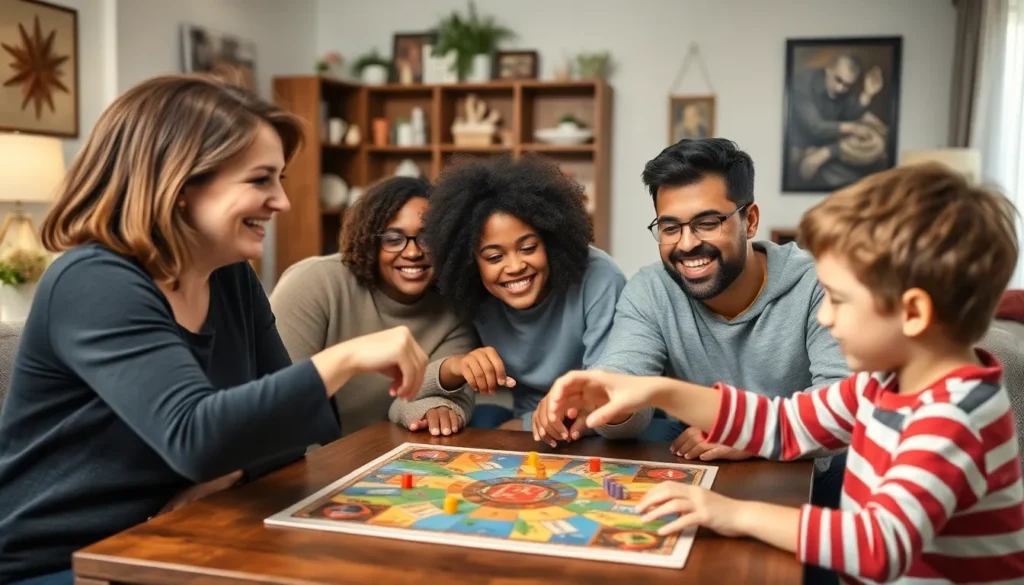
Educational family games support family bonding and learning in enjoyable ways. These games create meaningful interactions, allowing family members to connect over shared experiences.
Enhancing Family Bonds
Playing educational family games strengthens the relationships among family members. Engaging in these activities fosters communication and teamwork, enabling players to work together toward common goals. As family members encourage each other, they build trust and understanding. Frequent game nights open avenues for laughter and shared excitement, turning simple playtime into cherished memories. Families also learn to appreciate each other’s strengths and develop patience, reinforcing emotional connections.
Promoting Learning
Educational family games enhance learning by making concepts accessible and enjoyable. Players engage with subjects like math, science, and language arts without even realizing they’re learning. Fun games spark curiosity and encourage critical thinking skills. For instance, players solve puzzles or engage in friendly competition, which boosts motivation to grasp new ideas. Research highlights that active participation in games enriches retention and understanding, making it easier for all ages to absorb information. When families prioritize learning through play, they cultivate a positive attitude toward education and reinforce academic skills.
Types of Educational Family Games
Educational family games exist in various formats, each offering unique learning opportunities. These games enhance skills while providing engaging family interactions.
Board Games
Board games serve as excellent tools for learning. Titles like “Scrabble” and “Ticket to Ride” incorporate vocabulary and geography, making learning enjoyable. Players strategize and make decisions, which helps develop critical thinking. Many games include elements of math, encouraging players to calculate scores or manage resources. These mechanics foster a cooperative environment as families work together toward shared objectives. Engaging in board games nurtures patience and sportsmanship. The laughter and friendly competition encourage a positive atmosphere, reinforcing relationships while learning.
Card Games
Card games provide dynamic and educational experiences. Games such as “Uno” and “Set” target various cognitive skills, including pattern recognition and quick thinking. Players often deal with multiple variables, which sharpens focus and decision-making abilities. Card games can incorporate math through scorekeeping or probability exercises, enhancing numerical skills. Flexibility sets this format apart, allowing for quick gameplay or extended sessions. Families often gather for card games, turning ordinary evenings into opportunities for connection and learning.
Outdoor Games
Outdoor games engage families through physical activity and teamwork. Games like “Capture the Flag” and scavenger hunts encourage collaboration, communication, and problem-solving. Players develop leadership qualities as they navigate challenges, promoting group dynamics. Interaction with nature also boosts well-being, making the experience multifaceted. Simple yet effective, these games stimulate critical thinking while allowing for physical exertion. Families create lasting memories through shared adventures outdoors, emphasizing the joy of learning in a vibrant setting.
Choosing the Right Game for Your Family
Selecting the right educational game enhances both learning and enjoyment for all family members. Consider each person’s age and skill level when making a choice. Games tailored for young children, such as “Zingo,” improve word recognition and build vocabulary through fun interactions. For older children, “Catan” offers strategic thinking challenges while exploring resource management and negotiation.
Evaluate the interests of family members. If the group enjoys numbers, games like “Math Dice” make learning math concepts exciting and friendly. When the family prefers language, titles like “Boggle” encourage teamwork in word formation competitions. Engaging with diverse subjects caters to various preferences and keeps everyone involved.
Assessing the duration of the game also factors into the decision. Shorter games like “Apples to Apples” fit well into busy schedules while promoting critical thinking and creativity. Longer options, such as “Ticket to Ride,” may encourage deep family discussions, fostering bonding over extended play.
Finally, think about accessibility. Ensure that all game components are easy to understand and use. Accessibility encourages participation from every family member, creating an inclusive atmosphere. When everyone feels included, the experience becomes more enjoyable and memorable.
Finding the right educational family game offers more than entertainment; it strengthens relationships and enhances learning. Prioritizing engagement, interest, and accessibility helps create meaningful connections through play. By selecting thoughtfully, family game nights transform into valuable educational experiences that promote joy and togetherness.
Educational family games serve as powerful tools for fostering connection and learning within families. They not only entertain but also promote essential skills that benefit players of all ages. By integrating fun with education these games encourage teamwork and communication while creating lasting memories.
Choosing the right game can transform a typical family night into an enriching experience. With options available for various interests and age groups families can easily find games that suit their needs. This thoughtful selection ensures that every game night is an opportunity for growth and bonding.
Ultimately educational family games enrich lives by making learning enjoyable and accessible. They cultivate curiosity and strengthen relationships making them invaluable in today’s screen-dominated world.