Finding the right activities for kids can be a challenge, especially when it comes to sports. Fun sports not only keep children active but also help them develop essential skills like teamwork and coordination. With so many options available, parents can discover engaging ways to introduce their little ones to the joy of physical activity.
From classic games like soccer and basketball to unique options like ultimate frisbee and parkour, there’s a sport for every child’s interest and energy level. Encouraging kids to explore various sports can lead to lifelong fitness habits and a love for movement. In this article, parents will find a curated list of fun sports that promise to ignite excitement and keep kids on the move.
Overview of Fun Sports for Kids
Kids benefit tremendously from participating in fun sports. Engaging in physical activities promotes fitness, enhances coordination, and fosters teamwork. Various sports appeal to differing interests and abilities, ensuring an inclusive environment for all children.
Popular Traditional Sports
- Soccer: A globally loved sport, soccer improves cardiovascular health, coordination, and social skills.
- Basketball: This fast-paced game enhances agility and encourages teamwork, suitable for kids of varying skill levels.
- Baseball: A classic American pastime that develops hand-eye coordination and builds a sense of community in local teams.
Unique Sports Options
- Ultimate Frisbee: Combining elements of soccer and football, ultimate frisbee encourages running and strategic thinking.
- Parkour: This exciting sport develops agility and physical confidence through obstacle navigation.
- Martial Arts: Activities such as karate or judo teach discipline, respect, and self-defense, making them enriching choices for kids.
Non-Traditional Activities
- Dance: Dancing blends fitness with creativity, nurturing rhythm, coordination, and self-expression.
- Yoga: Kids’ yoga promotes flexibility, focus, and relaxation in a fun setting.
- Swimming: This essential life skill builds strength, stamina, and confidence in the water.
Benefits of Sports Participation
- Physical Health: Regular participation strengthens muscles, improves cardiovascular health, and aids in weight management.
- Social Skills: Team sports cultivate friendships and develop communication skills, essential for social growth.
- Emotional Well-Being: Engaging in sports supports mental health by reducing stress and boosting self-esteem.
These fun sports create an inviting atmosphere for kids, instilling a passion for physical activity that can last a lifetime.
Benefits of Engaging in Sports
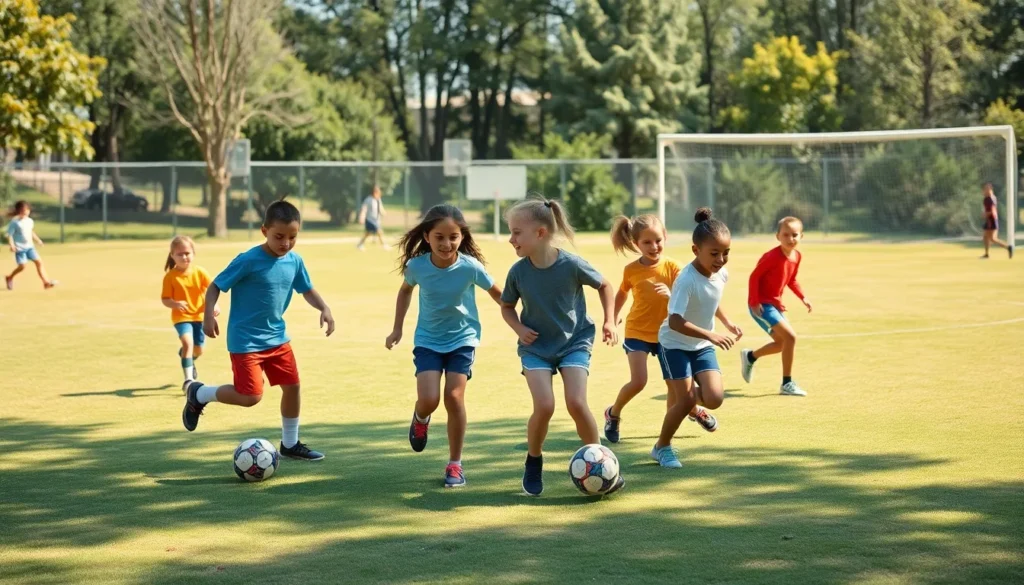
Engaging in sports offers numerous advantages for children, promoting both physical health and social-emotional development. Below are key benefits associated with sports participation.
Physical Health Benefits
- Enhances cardiovascular health: Regular participation in sports, such as soccer or swimming, increases heart rate, improving overall cardiovascular function.
- Improves muscle strength: Activities like gymnastics and basketball build muscle strength and endurance, contributing to better physical development.
- Supports weight management: Sports promote calorie burning, helping children maintain a healthy weight and preventing obesity.
- Boosts immune function: Engaging in physical activities strengthens the immune system, reducing illness frequency.
- Encourages lifelong fitness habits: Early involvement in sports cultivates a preference for active lifestyles, shaping future health behaviors.
Social and Emotional Development
- Fosters teamwork skills: Sports require cooperation and communication, allowing children to learn effective teamwork while playing games like baseball or volleyball.
- Builds self-esteem: Achievements in sports, whether through personal bests or team victories, boost children’s confidence and self-image.
- Teaches resilience: Facing challenges and setbacks in sports helps children develop perseverance and adaptability in various life situations.
- Enhances social skills: Regular interactions with peers during sports foster friendships and improve social skills, including empathy and conflict resolution.
- Reduces stress and anxiety: Physical activity releases endorphins, which combat stress and promote a positive mood.
Popular Fun Sports for Kids
A variety of sports captivate kids by combining physical activity with fun. The options available can enhance their skills while promoting teamwork and self-discipline.
Team Sports
- Soccer: Soccer engages kids of all ages, promoting coordination and teamwork. Players rely on each other, enhancing social bonds and communication skills.
- Basketball: Basketball develops agility and hand-eye coordination. The fast pace of the game encourages quick thinking and improves cardiovascular fitness.
- Baseball: Baseball fosters teamwork and patience. Players learn strategic skills while developing physical endurance and concentration.
- Volleyball: Volleyball emphasizes collaboration and agility. It builds team spirit and promotes communication, crucial for success on the court.
Individual Sports
- Tennis: Tennis improves focus and hand-eye coordination. It teaches kids discipline while providing competitive and recreational enjoyment.
- Martial Arts: Martial arts enhance self-discipline and self-defense skills. They promote physical fitness and mental resilience through structured training.
- Swimming: Swimming offers a full-body workout and promotes safety awareness. It’s a low-impact activity that strengthens muscles and boosts cardiovascular health.
- Dance: Dance combines creativity and physical fitness. It helps develop coordination and rhythm, allowing kids to express themselves artistically.
Each sport brings unique benefits and opportunities for children to thrive, encouraging lifelong fitness habits.
Tips for Encouraging Kids to Participate
Encouraging kids to join sports activities requires thoughtful strategies. Engaging kids in sports not only fosters physical fitness but also nurtures social and emotional skills.
Finding the Right Sport
Finding the right sport for a child involves recognizing their interests and strengths. Parents can consider the following:
- Observe Interests: Watch what activities excite the child. Interest in running might indicate a preference for track or soccer.
- Match Energy Levels: Select sports that align with the child’s energy levels. Active children may thrive in martial arts or gymnastics, while those preferring calmness may enjoy swimming or yoga.
- Try Various Options: Allow kids to experiment with multiple sports. They may discover unexpected passions for ultimate frisbee or dance through exploration.
- Consider Social Dynamics: Evaluate how the sport fosters social interaction. Team sports like volleyball promote teamwork, while individual sports encourage self-discipline.
- Age Appropriateness: Choose sports that suit the child’s age and skill level. Engage in age-specific leagues or classes that ensure a positive experience.
Making Sports Enjoyable
- Promote Fun Atmosphere: Emphasize enjoyment over competition. Stressing fun helps maintain interest, even when performance varies.
- Encourage Friend Participation: Invite friends to join activities. Shared experiences boost enthusiasm and create a supportive environment.
- Celebrate Achievements: Acknowledge both small and large achievements. Celebrating milestones fosters a sense of accomplishment and motivates continued participation.
- Set Realistic Goals: Help set achievable goals to avoid discouragement. Emphasizing progress fosters a sense of purpose and fulfillment.
- Limit Pressure: Minimize the emphasis on winning. Focus on skill development and enjoyment rather than solely on outcomes, helping to build a lifelong love for sports.
Finding the right sports activities for kids can make a significant difference in their physical and emotional development. By introducing them to a variety of engaging options parents can help children discover their interests while promoting a healthy lifestyle.
Encouraging participation in both team and individual sports nurtures essential skills and fosters a sense of belonging. When kids enjoy what they do they’re more likely to stay active and develop a lifelong love for fitness.
By prioritizing fun and personal growth over competition parents can create a supportive environment that allows children to thrive both on and off the field. With the right approach kids can enjoy their sports journey while reaping all the benefits that come with it.