Finding the right sport for kids can be a game-changer in their development. Engaging in physical activities not only promotes fitness but also builds social skills, teamwork, and discipline. With so many options available, it’s essential to choose sports that are not only enjoyable but also suitable for young athletes.
From soccer and basketball to swimming and gymnastics, kid-friendly sports offer a variety of ways for children to stay active and have fun. These activities cater to different interests and skill levels, ensuring that every child can find something they love. By encouraging kids to participate in sports, parents can help instill a lifelong appreciation for physical activity and healthy living.
Overview of Kid-Friendly Sports
Kid-friendly sports provide opportunities for children to engage in physical activity while developing important life skills. These sports encourage fitness, teamwork, discipline, and social interaction. A range of options exists to suit varying interests and skill levels.
Popular Kid-Friendly Sports
- Soccer: Soccer promotes cardiovascular health and improves coordination. The game emphasizes teamwork and strategic thinking.
- Basketball: Basketball enhances hand-eye coordination and agility. Players learn quick decision-making and collaboration.
- Swimming: Swimming builds endurance and strength. It fosters water safety awareness, essential for children.
- Gymnastics: Gymnastics develops flexibility and balance. Children gain confidence as they master new skills and routines.
- Tennis: Tennis improves agility and hand-eye coordination. It’s an excellent way for kids to develop focus and perseverance.
- Baseball: Baseball teaches teamwork and communication. It enhances coordination and promotes active play.
Benefits of Participation
Engaging in sports leads to various benefits:
- Physical Health: Regular participation improves overall fitness and reduces the risk of obesity.
- Social Skills: Team sports enhance social interaction and help children form friendships.
- Discipline: Sports require practice and dedication, teaching children the importance of commitment.
- Confidence: Mastering skills boosts self-esteem and encourages children to tackle new challenges.
By exploring kid-friendly sports, parents can ensure their children enjoy active, rewarding lifestyles while developing valuable skills that benefit them in various aspects of life.
Popular Kid-Friendly Sports
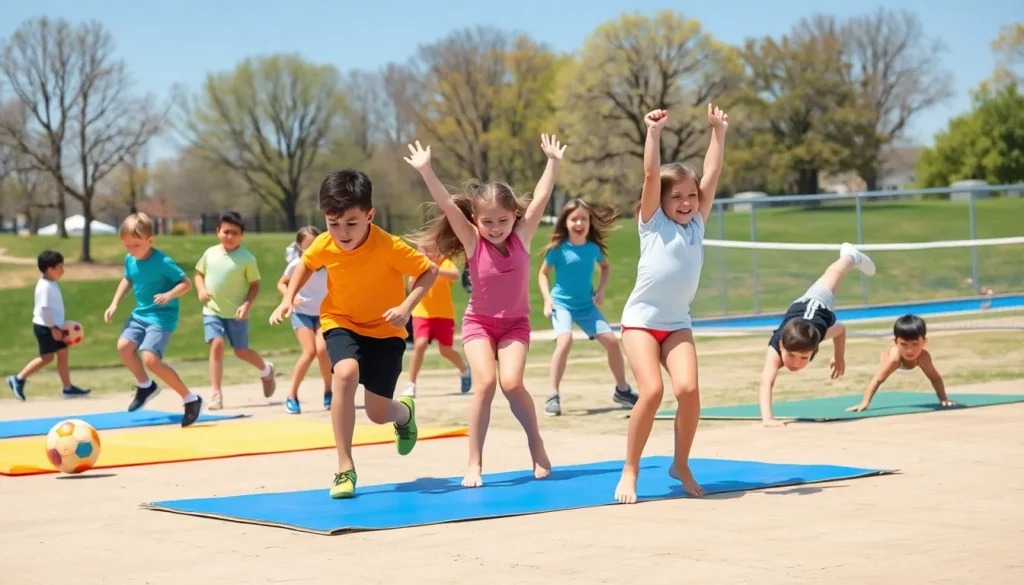
Kid-friendly sports offer enjoyable ways for children to stay active and healthy. These sports provide opportunities to develop skills while fostering social connections.
Team Sports
Team sports create a sense of belonging and develop cooperation among players. Popular options include:
- Soccer: Engages children by promoting cardiovascular health and teamwork. Players learn to communicate effectively on the field.
- Basketball: Enhances coordination and quick thinking. It encourages players to collaborate on offensive and defensive plays.
- Baseball: Teaches crucial communication skills and active play. Players learn strategic thinking through base running and hitting.
- Volleyball: Develops teamwork and effective communication. Children enhance their hand-eye coordination and agility while enjoying friendly competition.
Individual Sports
Individual sports help children build personal skills and confidence. Popular choices include:
- Swimming: Teaches water safety and builds endurance. It offers a full-body workout and promotes relaxation.
- Gymnastics: Develops flexibility, strength, and balance. It allows children to express themselves through movement while boosting self-esteem.
- Tennis: Improves focus, hand-eye coordination, and perseverance. Players engage in rallies, enhancing their strategic thinking abilities.
- Martial Arts: Encourages discipline, respect, and self-defense skills. It also promotes physical fitness through varied techniques and forms.
Benefits of Kid-Friendly Sports
Kid-friendly sports offer numerous advantages that contribute to overall child development. Children engaging in these activities gain physical, social, and mental benefits that play a vital role in their growth.
Physical Health
Engaging in kid-friendly sports significantly enhances physical health. Children develop stronger muscles and bones through regular participation. Sports improve cardiovascular fitness, aiding in heart health. Activities like swimming and soccer promote endurance, while gymnastics enhances flexibility. Maintaining an active lifestyle helps combat obesity, instilling healthy habits early on.
Social Skills
Participation in kid-friendly sports cultivates essential social skills. Team sports foster cooperation, teaching children to work collaboratively towards common goals. Communication skills improve as players interact during games and practices. Sportsmanship reinforces respect for others, including teammates and opponents. These experiences create lasting friendships, helping children develop a sense of belonging and improved interpersonal relationships.
Mental Well-Being
Involvement in kid-friendly sports bolsters mental well-being. Physical activity releases endorphins, reducing stress and anxiety. Children learn to handle both wins and losses, building resilience and emotional strength. Sports teach goal-setting and the value of perseverance, enhancing self-esteem and confidence. Regular participation provides a constructive outlet for energy, promoting positive mental health outcomes.
Tips for Encouraging Participation
Encouraging children to participate in sports involves strategic methods that foster interest and enjoyment. These tips focus on selecting the right sport and creating a supportive environment.
Choosing the Right Sport
Selecting the right sport aligns with a child’s interests and abilities. Consider the following factors:
- Interests: Identify activities that excite the child, whether team sports like soccer or individual pursuits such as swimming.
- Skill level: Match the chosen sport to the child’s current skills, promoting confidence and motivation to improve.
- Variety: Encourage trying different sports to discover preferences, enhancing overall engagement and enjoyment.
- Involvement: Involve children in the decision-making process to facilitate ownership and enthusiasm for their chosen activity.
Creating a Supportive Environment
- Positive reinforcement: Acknowledge effort and accomplishments, boosting self-esteem and reinforcing a love for the sport.
- Social connections: Facilitate friendships through team involvement or group activities, making participation more appealing.
- Accessible resources: Provide necessary equipment and transportation, ensuring children can easily attend practices and games.
- Flexible scheduling: Adjust commitments to accommodate other activities, reducing stress and allowing for balanced participation in sports.
Choosing the right kid-friendly sport can significantly impact a child’s development. By engaging in physical activities, children not only improve their fitness but also cultivate essential life skills. Whether through team sports or individual pursuits, the benefits extend beyond physical health.
Participation in sports fosters social connections and builds confidence while teaching valuable lessons in teamwork and discipline. Parents play a crucial role in guiding their children toward the right activities, ensuring a supportive environment that encourages exploration and enjoyment.
Ultimately, embracing kid-friendly sports lays the foundation for a lifetime of healthy habits and personal growth.