Youth hockey is more than just a sport; it’s a gateway to teamwork, discipline, and lifelong friendships. As young players lace up their skates and hit the ice, they dive into a world where skills are honed and character is built. From the thrill of scoring goals to the lessons learned in defeat, youth hockey offers experiences that shape not just athletes but individuals.
With increasing popularity across the nation, youth hockey programs are flourishing, providing opportunities for kids of all backgrounds to engage in this fast-paced game. Whether it’s learning the fundamentals or competing at higher levels, the benefits of participating in youth hockey extend far beyond the rink. As families rally around their young athletes, the sense of community and shared passion for the game fosters an environment where everyone can thrive.
Overview of Youth Hockey
Youth hockey serves as a vital platform for athletic and personal development. Participants engage in structured practices and competitive games that foster critical skills like teamwork and discipline. Players experience growth through both successes and challenges on the ice, contributing to their development as well-rounded individuals.
Programs are expanding rapidly, accommodating diverse populations of children. Nationwide associations and local leagues promote inclusivity, allowing children from various backgrounds to access hockey. This expansion helps cultivate a strong community connection as families rally to support their young athletes.
Training often includes professional coaching, which enhances skill acquisition and athletic performance. Resources such as clinics and camps provide additional learning opportunities, ensuring players improve their techniques and strategies. Moreover, youth hockey often acts as a feeder system for higher-level leagues, providing aspiring athletes with the chance to pursue competitive aspirations.
The emphasis on sportsmanship in youth hockey helps instill values such as respect and integrity. Players learn the importance of fair play, both on and off the ice, which shapes their character and interactions in daily life. Overall, youth hockey not only develops athletic prowess but also contributes significantly to life skills and community engagement.
Benefits of Youth Hockey
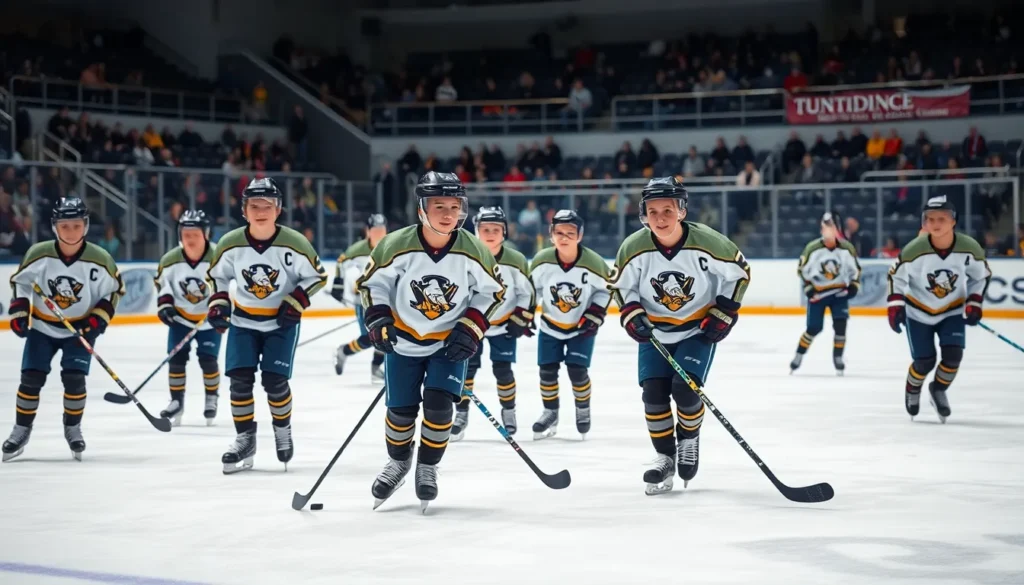
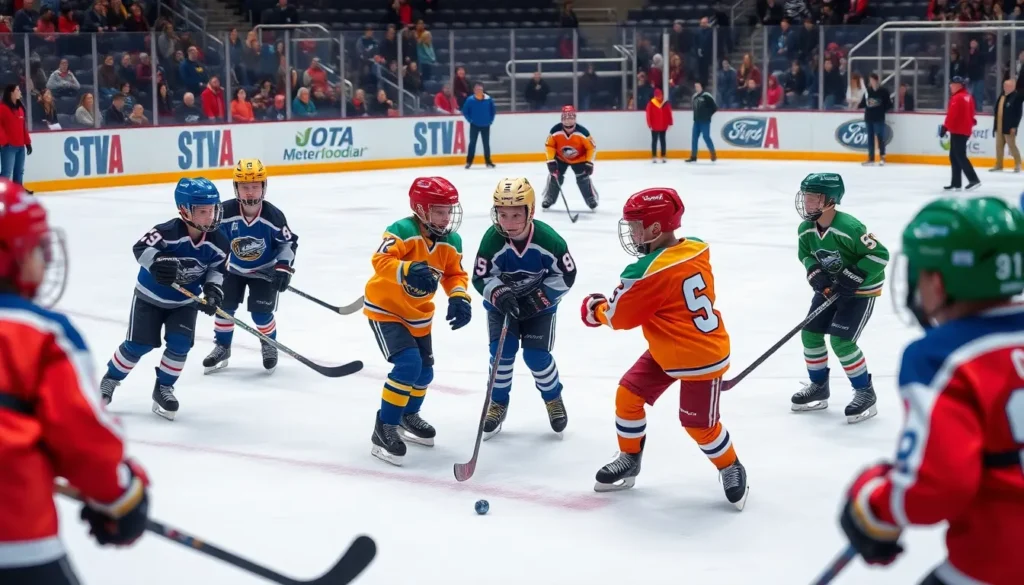
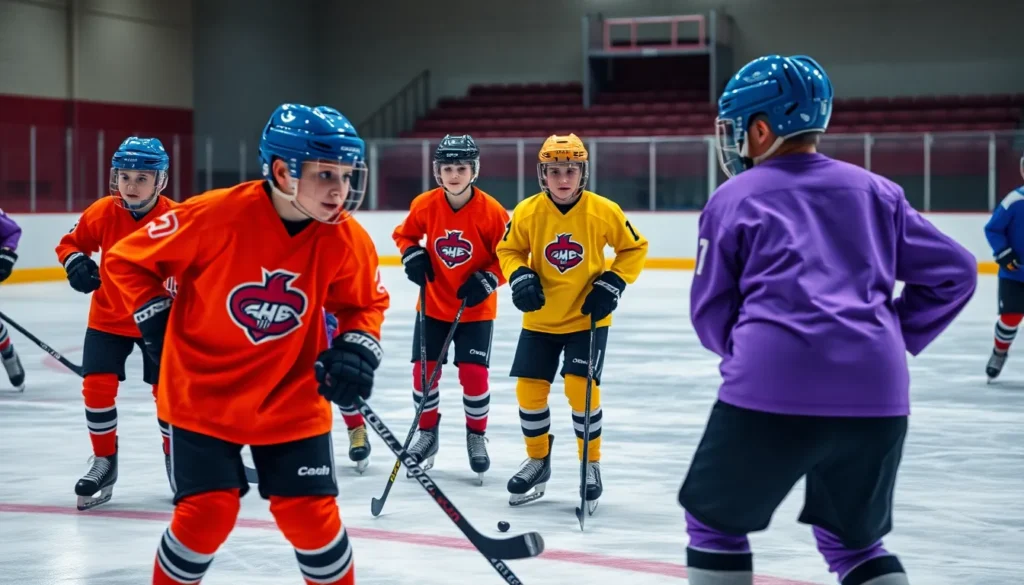
Youth hockey offers numerous benefits that extend beyond the rink, positively impacting physical health and social skills development.
Physical Health Advantages
Youth hockey promotes cardiovascular health through rigorous on-ice action. Players engage in continuous movement, enhancing stamina and endurance levels. Strength training occurs during practices and games, building muscle and coordination as players skate, shoot, and check. The sport also improves flexibility through various drills and dynamic movements. According to the American Orthopaedic Society for Sports Medicine, ice hockey helps reduce obesity rates in children by encouraging active participation. Furthermore, participation in youth hockey reduces the risk of chronic diseases associated with a sedentary lifestyle.
Social Skills Development
Youth hockey fosters teamwork as players collaborate to achieve common goals. Communication skills develop as athletes learn to interact and strategize both on and off the ice. Players build friendships through shared experiences, creating a sense of camaraderie. Conflict resolution skills often emerge during games, teaching players how to handle competitive situations gracefully. Additionally, youth hockey encourages inclusivity, welcoming various backgrounds and fostering an environment where respect and acceptance thrive. The connections formed in hockey often translate to lasting relationships outside the sport, enhancing players’ social circles and community ties.
Youth Hockey Programs
Youth hockey programs cater to various skill levels and age groups, ensuring comprehensive development in young players. These programs include organized leagues, recreational opportunities, and specialized training sessions.
Types of Programs
- Recreational Programs: Recreational programs focus on participation and enjoyment, allowing players to learn the fundamentals without the pressure of competition. These programs prioritize skill development and teamwork.
- Travel Programs: Travel programs involve competitive play against teams from different regions, enhancing players’ skills in high-stakes environments. Players travel for games, offering exposure to diverse strategies and styles.
- Select Programs: Select programs are designed for players exhibiting advanced skills and commitment. This tier offers a more competitive atmosphere, aiming to prepare players for higher levels of play.
- Developmental Camps: Developmental camps provide intensive training from experienced coaches, focusing on specific skills such as skating, shooting, or goalkeeping. These camps help players refine techniques and enhance performance.
Age Groups and Levels
- Initiation (Ages 4-6): At this stage, children learn basic skating skills and hockey fundamentals in a fun, supportive environment. Instruction emphasizes enjoyment and teamwork.
- Mini-Mite/Bantam (Ages 7-12): Players begin participating in organized games that promote skill development, sportsmanship, and competition. Coaches focus on building techniques while fostering a nurturing atmosphere.
- Midget (Ages 13-17): Adolescents in these age groups experience increased competition and commitment. Programs often prepare players for higher-level leagues or junior hockey, emphasizing discipline and teamwork.
- Girls’ Programs: Many organizations offer specialized girls’ hockey programs, promoting female participation and fostering a supportive community. These programs enhance skill development while encouraging female athletes to pursue their passion for hockey.
Coaching and Training in Youth Hockey
Coaching and training are integral components of youth hockey, ensuring players develop essential skills and character. Effective coaching enhances player performance while fostering a supportive learning environment.
Coaching Certifications
Coaching certifications validate a coach’s expertise and commitment to youth hockey. Organizations like USA Hockey offer structured certification programs that focus on age-specific coaching strategies, safety protocols, and skill development techniques. Certification levels progress from beginner to advanced, ensuring coaches possess the necessary knowledge to train young athletes effectively. Coaches learn about proper techniques, rules, and best practices, fostering safe and enjoyable experiences for players. An emphasis on continuing education through clinics and workshops enhances coaching skills and keeps coaches updated on the latest trends and techniques in youth hockey.
Training Techniques
Training techniques in youth hockey aim to develop players’ physical skills and enhance their understanding of the game. Drills focus on fundamental skills such as skating, puck handling, shooting, and passing. Small-area games encourage creativity and quick decision-making, improving players’ performance in competitive situations. Strength and conditioning programs target overall fitness, building endurance and agility, which are crucial for success on the ice. Video analysis provides invaluable feedback, highlighting areas for improvement in technique and strategy. Coaches tailor training sessions to address player-specific needs, maximizing individual potential while enhancing team dynamics. These methods not only improve athletic performance but also instill discipline and determination in young players.
Challenges Faced in Youth Hockey
Youth hockey faces several challenges that can impact both players and programs. Key issues include parental involvement and safety concerns.
Parental Involvement
Parental involvement plays a crucial role in youth hockey, but it can lead to challenges. Some parents impose unrealistic expectations on their children, leading to stress and burnout. Parents often become overly competitive, creating tension within teams. Additionally, differing opinions on coaching strategies or playing time can result in disputes, affecting the overall team dynamics. Constructive involvement fosters a supportive atmosphere, while excessive pressure can hinder athletes’ development and enjoyment of the game.
Injuries and Safety Concerns
Injuries present significant challenges in youth hockey, necessitating heightened awareness and preventive measures. Common injuries include concussions, sprains, and fractures, often resulting from falls, collisions, or improper technique. Adhering to safety protocols and using appropriate protective gear like helmets and pads greatly reduces injury risks. Organizations like USA Hockey promote safety initiatives, emphasizing education on concussion awareness and proper contact techniques. Ensuring player safety involves not only protective measures but also a culture of respect and awareness among coaches, players, and parents.
Youth hockey serves as a vital foundation for personal and athletic development. It not only hones physical skills but also nurtures essential life values like teamwork and respect. As participation continues to grow, the sport’s ability to foster community connections and inclusivity becomes increasingly important.
The commitment to safety and effective coaching ensures a positive experience for all players. With various programs catering to different skill levels, youth hockey remains an accessible and enriching activity. Ultimately, the lessons learned on the ice extend far beyond the rink, shaping well-rounded individuals ready for life’s challenges.